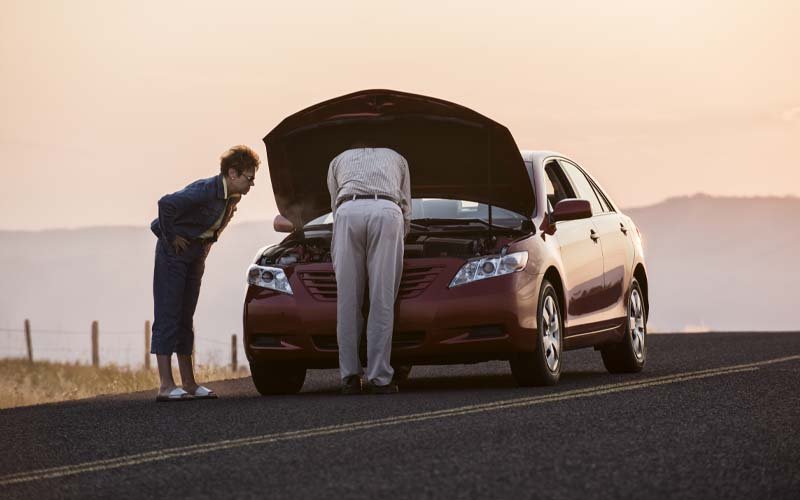
Car breakdowns can be stressful and frustrating. They can happen anytime, and no one wants to be stuck on the side of the road, especially in a place like Derbyshire, where the roads can be quiet and far from help. Knowing the main causes of breakdowns and how to avoid them can help keep you on the road and out of trouble. In this blog, we will look at the top 7 causes of vehicle breakdowns in Derbyshire and share tips on how to prevent them.
1. Dead Battery
A dead battery is a very common reason why cars break down. Your battery is responsible for powering your car’s electrical system, including starting the engine. When the battery is dead, your car won’t start.
How to Avoid It
Check the battery: Look at your battery every few months. If the terminals are dirty or corroded, clean them.
Replace old batteries: If your battery is older than three years, it might be time to replace it.
Don’t leave electrical systems on: Always turn off things like the radio or lights when your engine is off. This can drain the battery.
2. Flat Tyre
Flat tyres are another big cause of breakdowns. This can happen because of sharp objects, worn-out tyres, or low tyre pressure. If you have a flat tyre, it’s dangerous to drive, and your car will need help.
How to Avoid It
Check tyre pressure: Always check the pressure in your tyres. Low tyre pressure can cause flats.
Look for damage: Check your tyres for damage like cuts, punctures, or worn-out areas.
Replace old tyres: If your tyres are old or have low tread, replace them before they cause a breakdown.
3. Engine Overheating
An engine that overheats is another common reason cars break down. If your engine gets too hot, it can cause serious damage. This often happens because of low coolant levels or a broken radiator.
How to Avoid It
Check coolant levels: Regularly check the coolant (or antifreeze) in your car. If it’s low, top it up.
Check the radiator: Make sure your radiator is working well and not leaking.
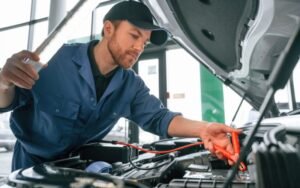
Service your car regularly: Regular maintenance helps ensure your engine is running at the right temperature.
4. Fuel Issues
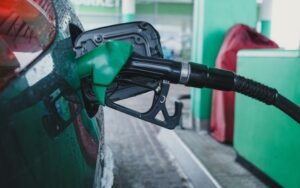
Running out of fuel is simple but very common. It can happen when you forget to refuel or don’t notice the fuel gauge is low. Other times, a clogged fuel filter or a broken fuel pump can cause fuel issues.
How to Avoid It
Watch the fuel gauge: Always keep an eye on your fuel level and refuel before it runs out.
Carry spare fuel: If you’re going on a long drive, carry a small reserve of fuel, just in case.
Regular checks: Make sure your fuel filter and fuel pump are in good condition by having them checked during regular car servicing.
5. Faulty Alternator
Your alternator helps charge your car’s battery and powers the electrical systems while you drive. If the alternator fails, your battery will die, and your car can break down.
How to Avoid It
Watch for warning lights: If the battery light comes on while you drive, your alternator may be failing. Get it checked out.
Listen for noises: A failing alternator can make a whining or grinding noise. If you hear this, get it looked at.
Get regular checks: Have your car’s electrical system checked when you take it for maintenance.
6. Broken Timing Belt
The timing belt controls the timing of the engine’s valves. If the timing belt breaks, your engine can stop working completely, and you’ll need a big repair.
How to Avoid It
Replace the timing belt on time: Timing belts need to be replaced every 60,000 to 100,000 miles, depending on your car. Check your car manual for advice.
Listen for strange sounds: If you hear a ticking noise from your engine, it could be a sign that your timing belt is wearing out.
7. Transmission Problems
Transmission issues can cause your car to have trouble shifting gears. This can lead to a breakdown, and in some cases, you might need a new transmission.
How to Avoid It
Check transmission fluid: Low transmission fluid can cause problems. Make sure the fluid level is correct.
Drive gently: Avoid sudden stops or rapid accelerations, as they can put a lot of stress on your transmission.
Get regular maintenance: Have your car’s transmission checked when it’s serviced to prevent issues.
How to Handle a Breakdown in Derbyshire
Even with regular maintenance, breakdowns can still happen. If you find yourself stuck in Derbyshire, here’s what you should do:
Stay safe: Move your car to the side of the road if you can. Turn on your hazard lights to warn other drivers.
Call for help: Call a breakdown recovery service like Golden Recoveries. They provide fast, reliable help in Derbyshire.
Stay with your car: If it’s safe, stay in your car while you wait for help. If you’re on a busy road, stay away from traffic.
Conclusion
Car breakdowns can happen to anyone, but understanding what causes them and how to prevent them can help you avoid a lot of stress. In Derbyshire, where the roads can be quiet and far from help, it’s important to take care of your vehicle. Regular maintenance, such as checking your battery, tyres, coolant, and transmission, can keep your car running smoothly.
If you ever find yourself in need of assistance, Golden Recoveries is here to help. Their fast and reliable service can get you back on the road in no time. Stay safe and take care of your car to avoid breakdowns and keep enjoying your time on the roads of Derbyshire.
FAQs About Vehicle Breakdowns
What should I do if my car breaks down in Derbyshire?
First, make sure you’re safe. Move your car to the side of the road if possible, turn on your hazard lights, and call a breakdown service like Golden Recoveries.
How often should I check my car’s battery?
You should check your car’s battery every few months. If the battery is over three years old, it may need to be replaced soon.
How can I prevent my car from breaking down on the road?
AThe best way to avoid a breakdown is by getting regular car maintenance. Check your tyres, battery, coolant, and other important parts of the car.
How do I know when to replace my timing belt?
Timing belts should usually be replaced between 60,000 and 100,000 miles. Check your car’s manual for the exact recommendation.
Can I prevent transmission failure?
Yes, by checking the transmission fluid regularly and driving carefully, you can prevent many transmission issues. Regular maintenance is also important.