
Winter can be tough on your car, and one of the most common problems people face is a dead battery. If you live in Burton, you may have noticed your car battery doesn’t work as well during the winter months. In this article, we will explain why car batteries fail more often in winter, how cold weather affects your car, and what you can do to prevent battery problems.
How Cold Weather Affects Your Car’s Battery
Car batteries depend on chemical reactions to create the energy needed to start the engine. Cold weather makes these chemical reactions slower. When it’s cold, your battery doesn’t work as well, and this can cause it to lose power. Here’s why cold weather makes things worse:
Slower Reactions: In winter, the chemical reactions in the battery happen more slowly. This makes it harder for the battery to produce the power needed to start your car.
Higher Power Demand: When it’s cold, your car’s engine needs more power to start. The oil in your engine thickens, making it harder for the engine to turn. The battery needs to work harder to get it going.
Less Power Capacity: Cold weather can reduce the battery’s ability to hold power. In freezing temperatures, a battery can lose up to 60% of its charge.
Older Batteries Fail Faster: Older batteries don’t hold power as well as new ones. In winter, these batteries can fail because the cold makes them weaker.
Other Reasons for Battery Failure in Winter
While cold weather is the main reason for battery problems, other factors can make things worse:
Shorter Days: In winter, the days are shorter, so your car spends more time parked in the dark. If you don’t drive often, your battery doesn’t get a chance to recharge fully.
Frequent Short Trips: Many people drive less in winter and take shorter trips. Short trips don’t allow enough time for the battery to recharge, causing it to drain faster.
Wet Weather: Rain, snow, and humidity are common in winter. Moisture can build up on your battery and its connections, causing rust and making the battery work less effectively.
Increased Use of Electrical Systems: In winter, you use more electrical systems in your car, like the heater, lights, and windshield wipers. This puts extra strain on the battery and can cause it to drain faster.
Signs Your Car Battery Might Fail in Winter
Here are some signs that your battery might be having trouble in cold weather:
Slow Engine Crank: If your car engine turns over slowly when you try to start it, your battery may be weak. This is more common in winter when the cold makes it harder for the battery to work.
Dim Lights: If your headlights or dashboard lights are dim or flickering, it could mean your battery is struggling. In winter, the cold can cause this issue.
Warning Light: Many modern cars have a warning light for the battery. If this light comes on, it’s a sign that your battery may not be charging properly.
Electrical Problems: If your radio, power windows, or other electrical systems aren’t working well, it might be because your battery is weak.
How to Prevent Battery Failures in Winter
You can do a few things to keep your car battery in good condition during the cold months. Here’s how:
1. Get Your Battery Tested
Before winter, have your battery tested. Most garages will test your battery for free. If it’s old or not holding a charge, it might be time to replace it.
2. Keep Your Battery Clean
Dirt and corrosion can build up on the battery terminals, which can stop your car from getting enough power. Make sure the terminals are clean and free from rust.
3. Keep the Battery Charged
If you don’t drive often in winter, use a battery charger to keep your battery charged. A fully charged battery is less likely to fail in the cold.
Avoid Short Trips
Short trips don’t give your car enough time to recharge the battery. Try to take longer trips when you can, especially in winter.
5. Use a Battery Insulator
A battery insulator is a cover that helps keep your battery warm. It can help protect the battery from the cold and keep it working properly.
6. Park in a Warmer Place
If possible, park your car in a garage or a sheltered spot during the winter. The warmer temperature will help your battery stay in better condition.
What to Do If Your Battery Fails in Winter
If your car battery does fail in winter, don’t worry. There are a few things you can do to get back on the road:
Jumpstart Your Car: If your battery is dead, you can try jumpstarting it using jumper cables and another car with a working battery. If you’re unsure how to jumpstart a car, ask for help.
Get a New Battery: If your battery is old or not working well, you may need to replace it. A new battery will help keep your car running smoothly during the winter.
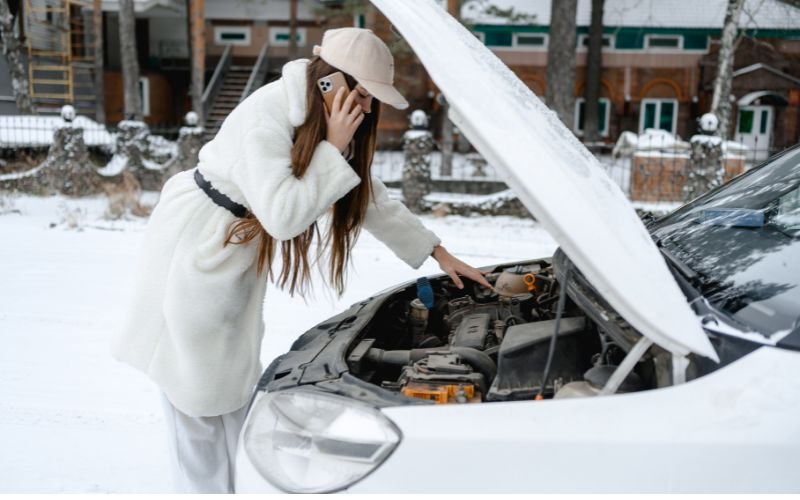
Call for Roadside Assistance: If you’re stuck and can’t start your car, you can call for roadside assistance. Many services can come to you and help jumpstart or replace your battery.
Frequently Asked Questions (FAQs)
1. Why does my car battery die more often in winter?
Cold weather makes it harder for the battery to create power. The engine also needs more power to start in the cold, which puts extra strain on the battery.
2. How can I tell if my battery is weak in winter?
If the engine cranks slowly, the lights are dim, or there are electrical problems, your battery might be weak. A warning light might also come on.
3. Can I prevent battery failure in winter?
Yes, you can prevent it by getting your battery tested, keeping it clean, and making sure it stays charged. Avoid short trips and park your car in a warm place if possible.
4. How long does a car battery last?
Most car batteries last between 3 and 5 years. If your battery is older than that, it may be more likely to fail in winter.
5. Can short trips damage my battery?
Yes, short trips don’t give your battery enough time to recharge. This can cause it to lose power and fail more quickly.